How Vans
started here.
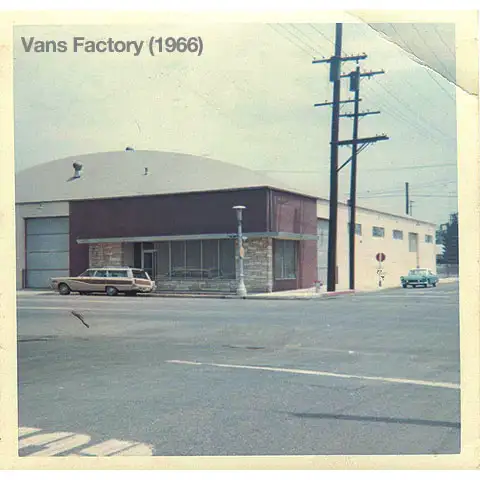
Before the checkerboard shoes, skate videos, music festivals, and stores around the world, Vans was a small factory with a tiny showroom on East Broadway in Anaheim.
March 16, 1966
Some of the biggest pieces of Southern California culture started in places that looked completely ordinary at the time. Vans is one of those stories.
In 1966, Paul Van Doren, his brother Jim, Gordon Lee, and Serge Delia opened the Van Doren Rubber Company at 704 East Broadway in Anaheim. The idea was simple, but unusual for the shoe business: make the shoes in the back and sell them directly to customers in the front.
There wasn’t a corporate campus, a polished flagship store, or any hint that the company would eventually become a worldwide symbol of skateboarding, music, art, and Southern California style. It was a factory with a small showroom and a group of people trying something different.
They sold shoes they hadn’t made yet.
The most famous version of the opening-day story begins with 12 customers walking into the new Anaheim store and choosing the #44 Deck Shoe, the style we now know as the Authentic.
There was one problem. The store had samples, but it didn’t have finished inventory sitting in boxes. Customers picked their colors and sizes in the morning, then the team made the shoes inside the factory and asked everyone to return later that afternoon.
When the customers came back, another problem surfaced: the store didn’t have enough change. Instead of holding the shoes, the team let people take them home and asked them to return the next day to pay. According to the story that has followed Vans for decades, they did.
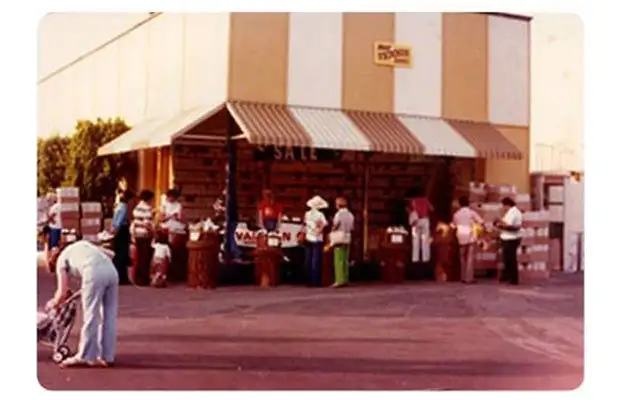
Pick a style in the morning. Come back for your shoes that afternoon.
The factory was also the store.
Most shoe companies sold through other retailers. Vans could listen to someone in the showroom, walk the request into the factory, and make a change without waiting for another season or a giant production run.
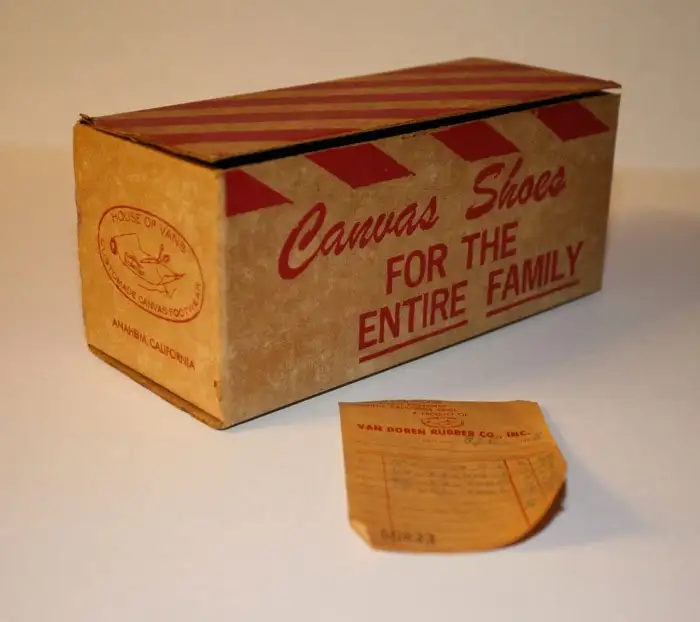
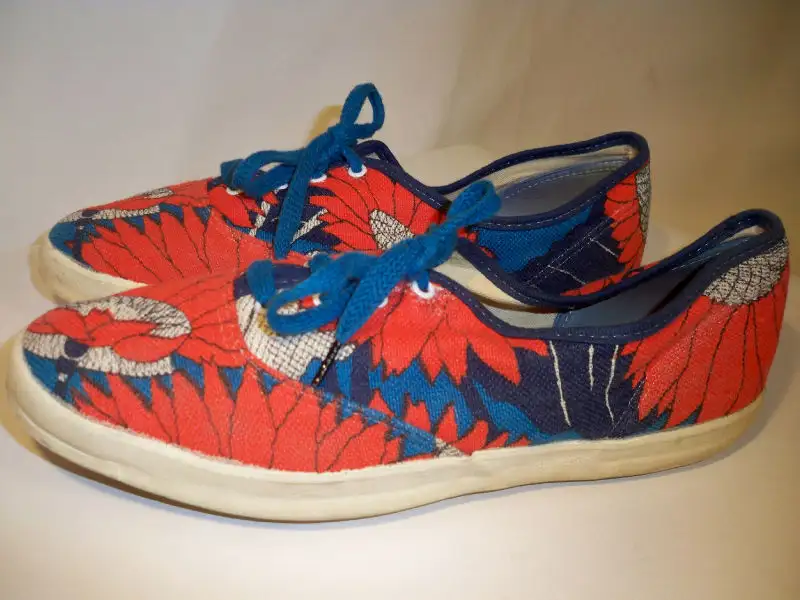
That flexibility became part of the company’s personality. Customers could request unusual colors, bring in fabric for custom uppers, buy two different sizes if their feet didn’t match, or replace one damaged shoe instead of buying a full pair.
Paul Van Doren later wrote about a woman who brought in pink fabric from a dress because she couldn’t find matching shoes anywhere in Orange County. Vans made the shoes from her fabric. A simple request turned into a custom program for families, schools, teams, cheerleaders, and anyone who wanted something personal.
The early company wasn’t trying to invent streetwear. It was paying attention to what people wanted and figuring out how to make it. That willingness to listen helped create the kind of brand people felt belonged to them.
Skaters found the shoes before the brand found skating.
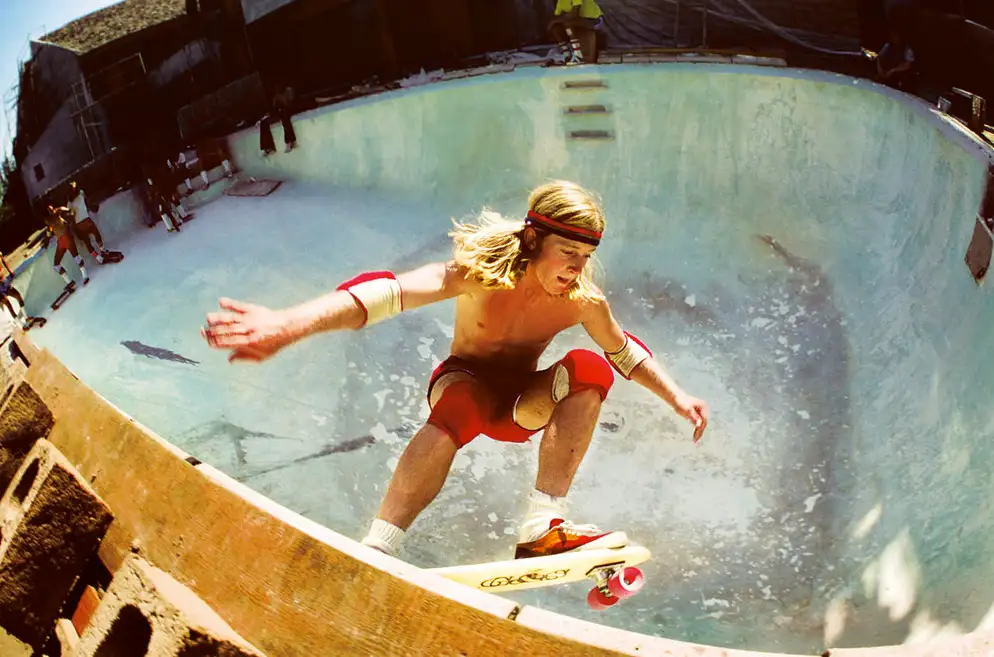
By the early 1970s, skateboarders across Southern California had started wearing Vans. The shoes were durable, affordable, and the rubber waffle soles gripped a board well. They worked, and skaters noticed.
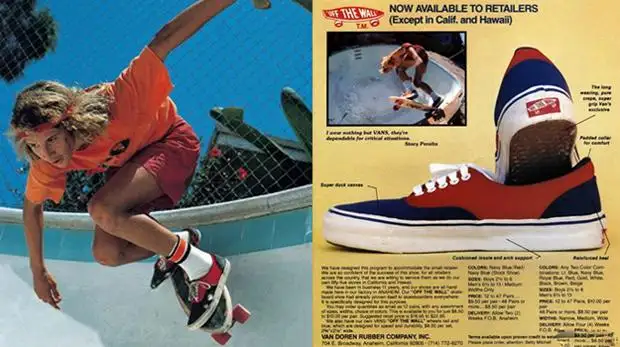
That relationship became official in 1976 when skateboarders Tony Alva and Stacy Peralta helped design the #95, now known as the Era. The padded collar and new color combinations made it a skate shoe shaped by people who actually skated.
The “Off the Wall” logo arrived around the same time. In 1977 came the Old Skool and its now-famous side stripe, followed by the Slip-On. The Sk8-Hi joined the lineup in 1978, adding ankle protection and another silhouette that still looks familiar today.
The culture didn’t come from a marketing department deciding that skateboarding was fashionable. It grew from Southern California kids choosing the shoes, wearing them hard, drawing on them, changing them, and helping the company understand what should come next.
From East Broadway to everywhere.
- 1966Van Doren Rubber Company opens in Anaheim
The #44 Deck Shoe, now called the Authentic, is made and sold directly from the factory.
- Early 1970sSouthern California skaters adopt Vans
The rugged construction and sticky waffle sole make the shoes a natural fit for skateboarding.
- 1976The Era and “Off the Wall” arrive
Tony Alva and Stacy Peralta help shape a shoe specifically for skaters.
- 1977 to 1978The icons take shape
The Old Skool, Slip-On, and Sk8-Hi establish a lineup that remains recognizable decades later.
- 1982Checkerboard reaches the movies
Sean Penn wears checkerboard Slip-Ons in Fast Times at Ridgemont High, pushing the look far beyond Southern California.
- TodayAnaheim’s local factory story becomes global culture
Vans is recognized around the world, but its first chapter still belongs to Anaheim.
A global brand started about a mile from my house.
I’ve lived in Anaheim my whole life, and the original Vans location is roughly a mile from where I live today. That still feels a little wild to me.
People know Anaheim for Disneyland, the Angels, the Ducks, and the Convention Center. Those are huge parts of the city, but stories like this show how much else happened here. A company that helped shape skating, music, clothing, and counterculture started on an Anaheim street that most people could drive past without realizing what began there.
That is one of the reasons I enjoy digging into local history. The places around us are usually carrying more stories than we give them credit for. You’ll find more of the city behind the famous attractions in my Anaheim guide.
Mike Betts · Lifelong Anaheim resident