The Orange guide

A historic center.
A quieter life around it.

Orange revolves around one of the best downtowns in the county—but the city stretches well beyond the Circle, from midcentury neighborhoods and established streets to equestrian lots and foothill trails.

Find your part of Orange
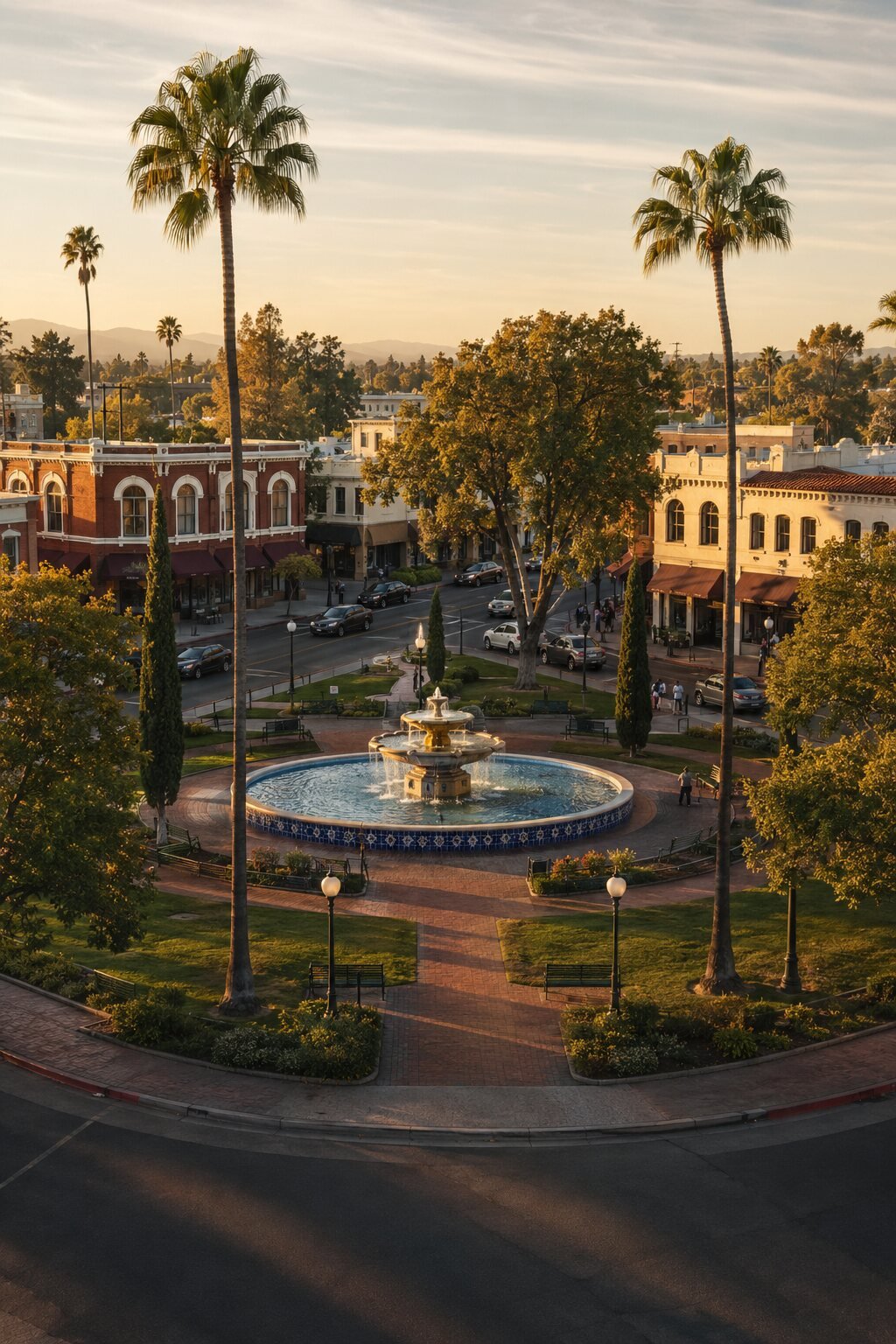
Plaza fountain and historic storefronts in Old Towne Orange
The Plaza · Old Towne OrangeWalkable · Historic · Always worth circling back
Why Orange

The Circle gets the attention. The neighborhoods make people stay.

“There are so many restaurants and bars within a tight radius—and you can walk between all of them.”

The Plaza is the part of Orange that immediately makes sense. Park once and move from coffee or antiques to dinner and a drink without getting back in the car. The Orange County dining guide is where I collect more local places worth planning around. Just beyond the Plaza, the energy settles into historic houses, quiet streets, and an established city that usually feels removed from the attractions and stadiums only a few miles away.

Mike Betts · Orange County local
Find your Orange

The parts of Orange worth knowing.

Orange can feel completely different from one neighborhood to the next. Here’s a quick look at the areas that give the city its character—and what makes each one stand out.

Historic Old Towne Orange and the Plaza
01 · Historic & walkable

Old Towne & the Plaza

California’s largest nationally registered historic district surrounds a downtown made for wandering. Restaurants, bars, antiques, community events, St. John’s landmark brick sanctuary, and preserved homes all sit close together.

Chapman University is woven directly into the neighborhood. Its historic campus, Dodge College, and Musco Center add students, film, performances, and cultural life without separating themselves from Old Towne.

For more local landmarks and stories, explore the Orange County history collection.

Future guides: The Plaza · Old Towne residential streets
02 · Midcentury & architectural

The Eichler tracts

Fairhaven, Fairhills, and Fairmeadow form locally protected historic districts filled with Joseph Eichler’s glass, atriums, post-and-beam construction, and indoor-outdoor modernism.

They are not simply a pocket of unusual houses. Together, they create one of Orange County’s most recognizable midcentury residential environments.

Future guide: Orange’s Eichler neighborhoods
03 · Equestrian & close-knit

Orange Park Acres

Large lots, horse properties, community traditions, and an extensive trail system give Orange Park Acres a rural rhythm that is increasingly rare in central Orange County.

Irvine Regional Park sits beside it, while Santiago Oaks extends the outdoor access into oak woodland, canyon trails, hiking, mountain biking, and equestrian routes.

Future guide: Orange Park Acres
04 · East Orange & the foothills

El Modena to the canyons

Established neighborhoods, longtime local businesses, hillside views, and quick access to open space shape the city’s eastern side.

Moreno’s has served the area since 1969 on a property preserving an 1880s Friends church. Farther into the hills, Orange Hill and the Orange County Mining Company pair dinner with broad county views—the Mining Company is also where Mike and Katie celebrated their marriage reception.

Future guides: El Modena · Foothill neighborhoods
If you have one day

Start at the Circle. Then choose your direction.

Orange works best without an overstuffed itinerary. Pick one part of the city and leave room to wander.

  1. Morning

    Walk Old Towne, visit the farmers market, browse the antique shops, and notice how quickly the historic residential streets open beyond the Plaza.

  2. Afternoon

    Head east for Irvine Regional Park or Santiago Oaks, or go west for shopping, a movie, and entertainment at the Outlets at Orange.

  3. Evening

    Return to the Circle for dinner and drinks, catch a performance at Musco Center, or climb into the hills for dinner with a view.

Living here

One city, several completely different home searches.

Orange can mean a preserved bungalow near the Plaza, a glass-walled Eichler, a conventional postwar neighborhood, a newer attached home, or an equestrian property near the foothills. The useful question is not only whether Orange fits—it is which version does.

The city is also changing. The indoor Village at Orange mall many locals remember is being transformed, with housing and reworked commercial space becoming part of the area’s next chapter. If you’re comparing communities for a move, start with the location section of the Orange County Buyer’s Guide.

  • Historic, midcentury, suburban, and equestrian housing
  • Walkable daily life concentrated around Old Towne
  • Strong regional access and nearby major entertainment
  • Parks and open space along the eastern edge
Live from CRMLS

Homes currently available in Orange.

A live look at active single-family homes, townhomes, and condos across the city—updated automatically as the market changes.